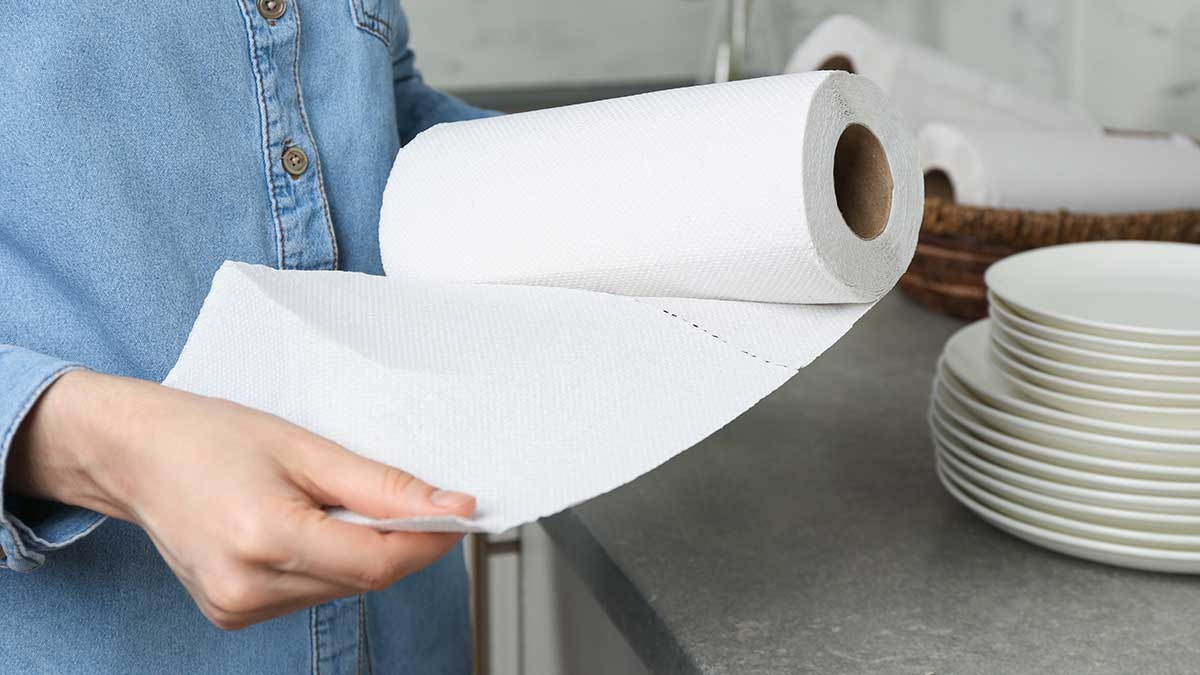
For decades, the roll of paper towels sitting next to the kitchen sink has been considered an indispensable household item. Whether it was to wipe down a splattered countertop, dry freshly washed hands, or mop up a spilled cup of coffee—tearing off two or three sheets seemed like a natural thing to do. Recently, however, more and more home cooks and professional kitchens are ditching disposable paper and opting for smarter, reusable alternatives.
This shift isn’t driven solely by environmental concerns. Due to rising food prices and frustration with thin sheets tearing in the middle of cleaning, many households have discovered that modern reusable wipes actually clean faster, absorb significantly more liquid, and help keep kitchen countertops looking noticeably tidier.
The Three Reusable Alternatives Replacing Paper Towel Rolls
Switching away from paper towels works best when you match the right cloth to the specific job rather than expecting one rag to do everything:
- Swedish dishcloths for everyday spills and counters: Invented in Sweden and now widely popular across North America, these flat, rectangular sheets are made from a biodegradable blend of wood-pulp cellulose and cotton (typically a 70/30 ratio). Dry, they feel crisp like thin cardboard; wet, they turn soft, pliable, and remarkably absorbent—acting like a cross between a sponge and a heavy-duty cloth. You can rinse them clean under the tap, wring them out completely, and sanitize them in the top rack of the dishwasher or the washing machine.
- Microfiber cloths for glass, stainless steel, and grease: Because their split synthetic fibers trap fine particles and oils without leaving lint behind, microfiber towels excel at polishing appliances, faucets, and stone countertops. As Consumer Reports testing on kitchen cloths notes, microfiber delivers streak-free results on smooth surfaces, though it should be washed without fabric softener so the fibers retain their grip.
- Cotton bar mop or flour-sack towels for drying hands and dishes: Keeping a small stack of inexpensive, 100% cotton terry bar towels or lint-free flour-sack towels in a drawer gives you the grab-and-go convenience of a paper roll without the trash bin filling up every two days.
The One Kitchen Task Where Paper Towels Are Still Safer
Going reusable does not mean you have to banish paper towels from your home completely. Food safety experts draw a clear line when it comes to raw animal proteins.
According to USDA food safety guidelines on preventing cross-contamination, disposable paper towels remain the safest choice for patting dry raw chicken, beef, or seafood, as well as wiping up meat juices on cutting boards and countertops. Using a reusable cloth on raw poultry risks transferring bacteria like Salmonella or Campylobacter to your hands or the next surface you wipe.
How to Keep Reusable Kitchen Cloths Hygienic
The biggest mistake people make when ditching paper towels is leaving a single damp dishcloth draped over the faucet for days. To keep your kitchen fresh and hygienic, keep a small ventilated basket or bin under the sink specifically for used cloths, swap out damp towels daily, and launder cotton and microfiber loads regularly on a hot wash cycle.